Interests
What I do when I am not doing physics, and a few things I will happily talk about for hours.
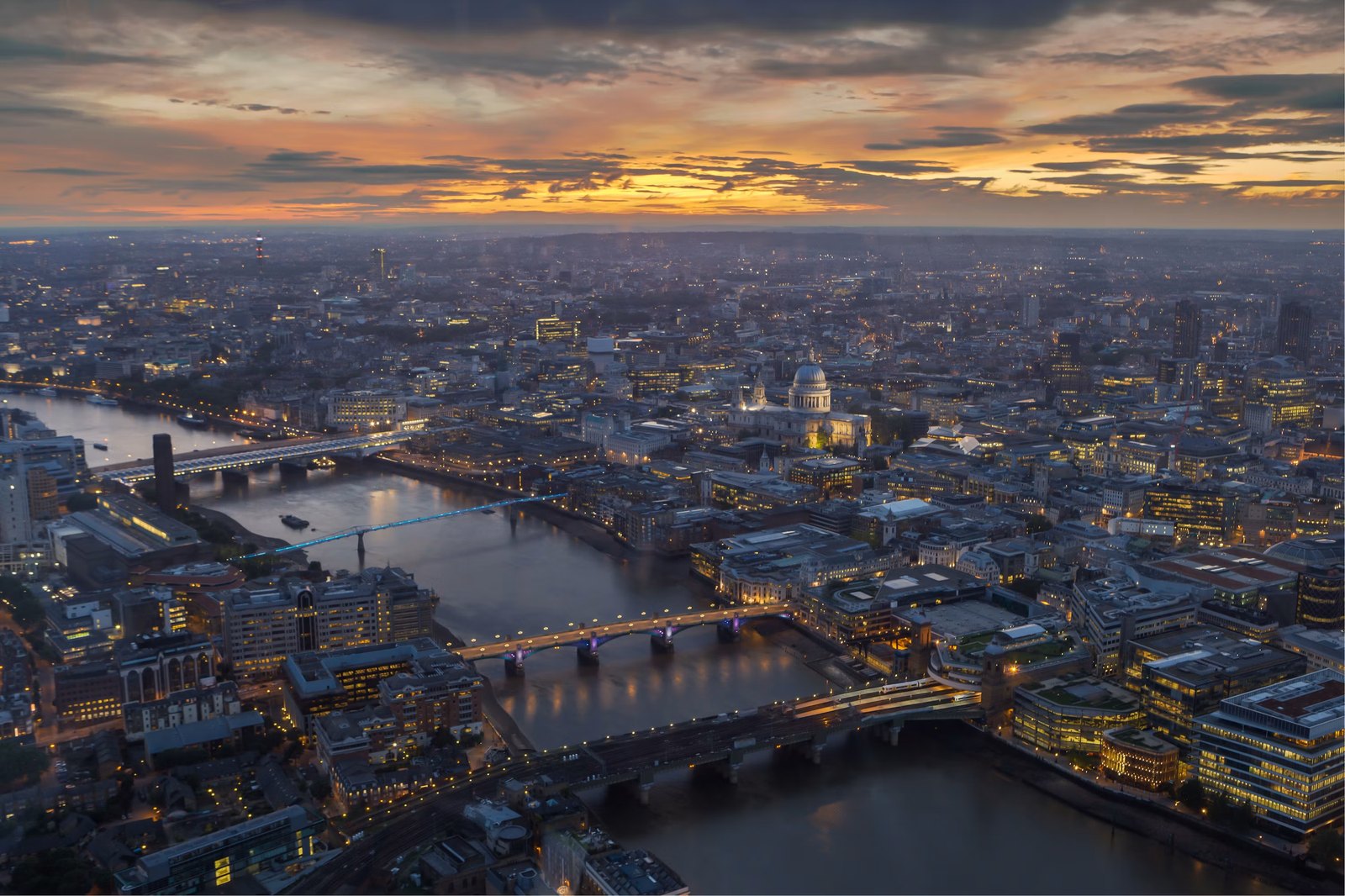
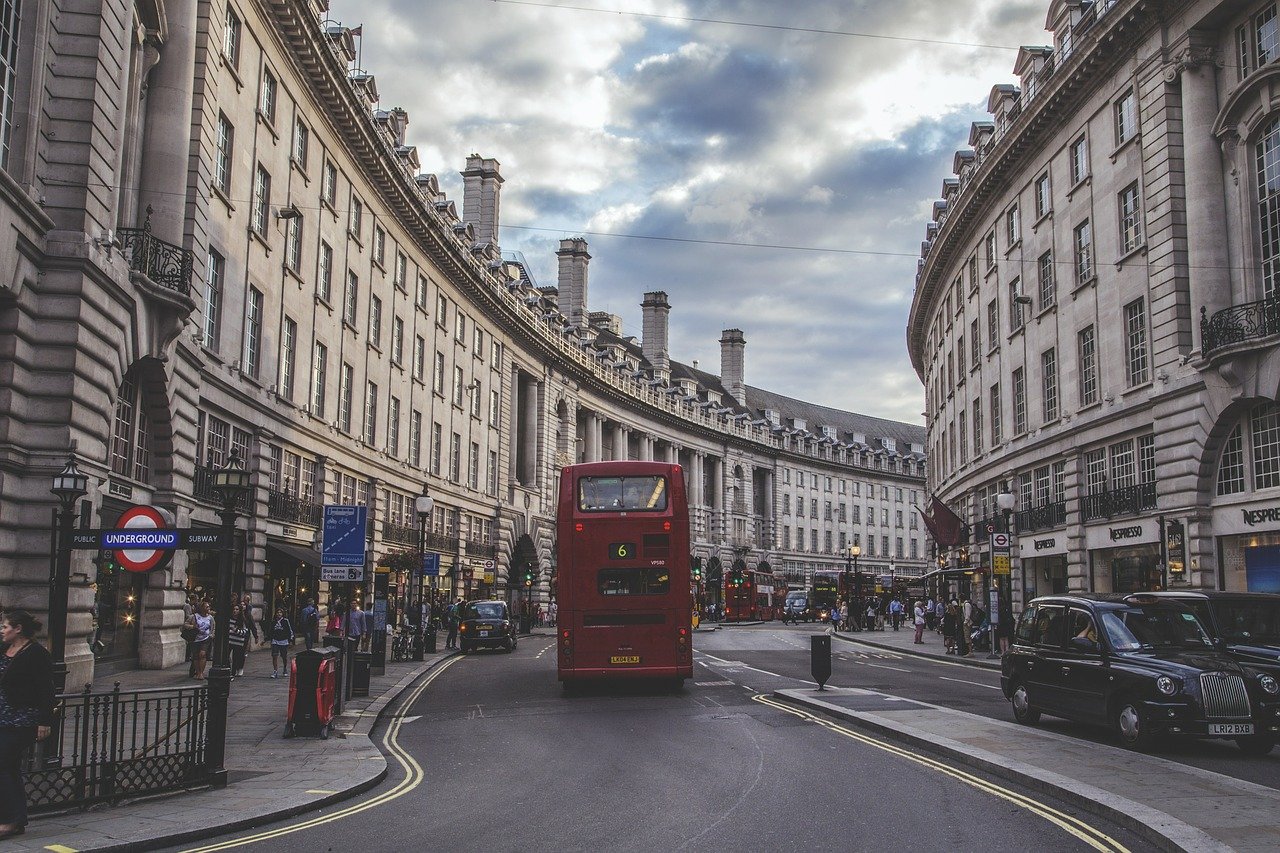
Everything here is written in English by deliberate choice: I am writing for a global audience, principally in the UK and the USA.
Languages
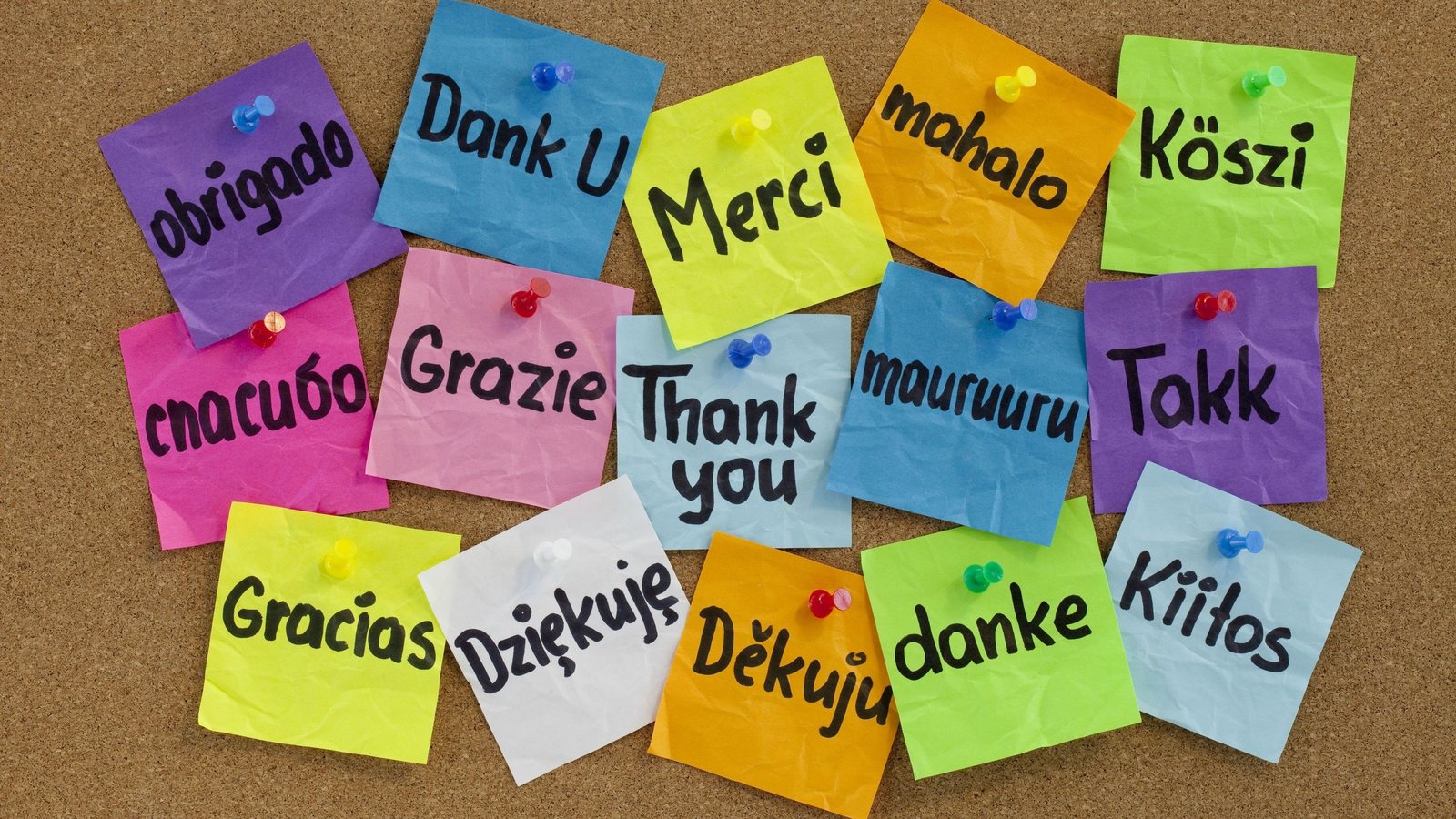
I have been an avid language learner my whole life, and I love the whole of it: the languages themselves, the cultures they open up, the new people I meet and the doors that open in countries I would otherwise have no claim on, and the cognitive linguistics behind them.
I speak, read and write in: Korean and English natively, French to professional working proficiency, Italian at intermediate and actively improving, and Spanish, German and Japanese all at elementary. French and Italian are the two I am keeping alive at the moment. I’m especially passionate about European languages, though I have taken runs at Arabic and Mandarin as well; that is one of the reasons I chose to live in Europe.
I travel to France as often as I can, and here in the UK I have plenty of French and Italian friends to practise with. I always welcome new language exchange buddies, so reach out!
Learning a language is the closest thing I know to learning a new physics formalism: the same feeling of a structure clicking into place.
Sports
A large part of my life, and the thing that keeps the rest of it working. I do one of these on a weekly basis: Running, triathlon, yoga, and calisthenics. I have dabbled in Brazilian Jiu-Jitsu and would train it properly given more free time. I am a member of the Imperial College Triathlon society, and I used to train with them weekly for 2 years. I’m trying to get back with them in 2026 onwards.
I play tennis and golf now and then, usually around Wimbledon or Kingston. Need a tennis or golf buddy? Reach out - some of the best conversations happen on a golf course, and the London area has no shortage of good ones. I try to get on a tennis court at least once a month; around Wimbledon you are spoilt for choice.
Since I’m based in the UK: From 2023 to 2024 I also turned out as a striker in a Sunday League side here in England, for about four months. I don’t play or watch football any more.
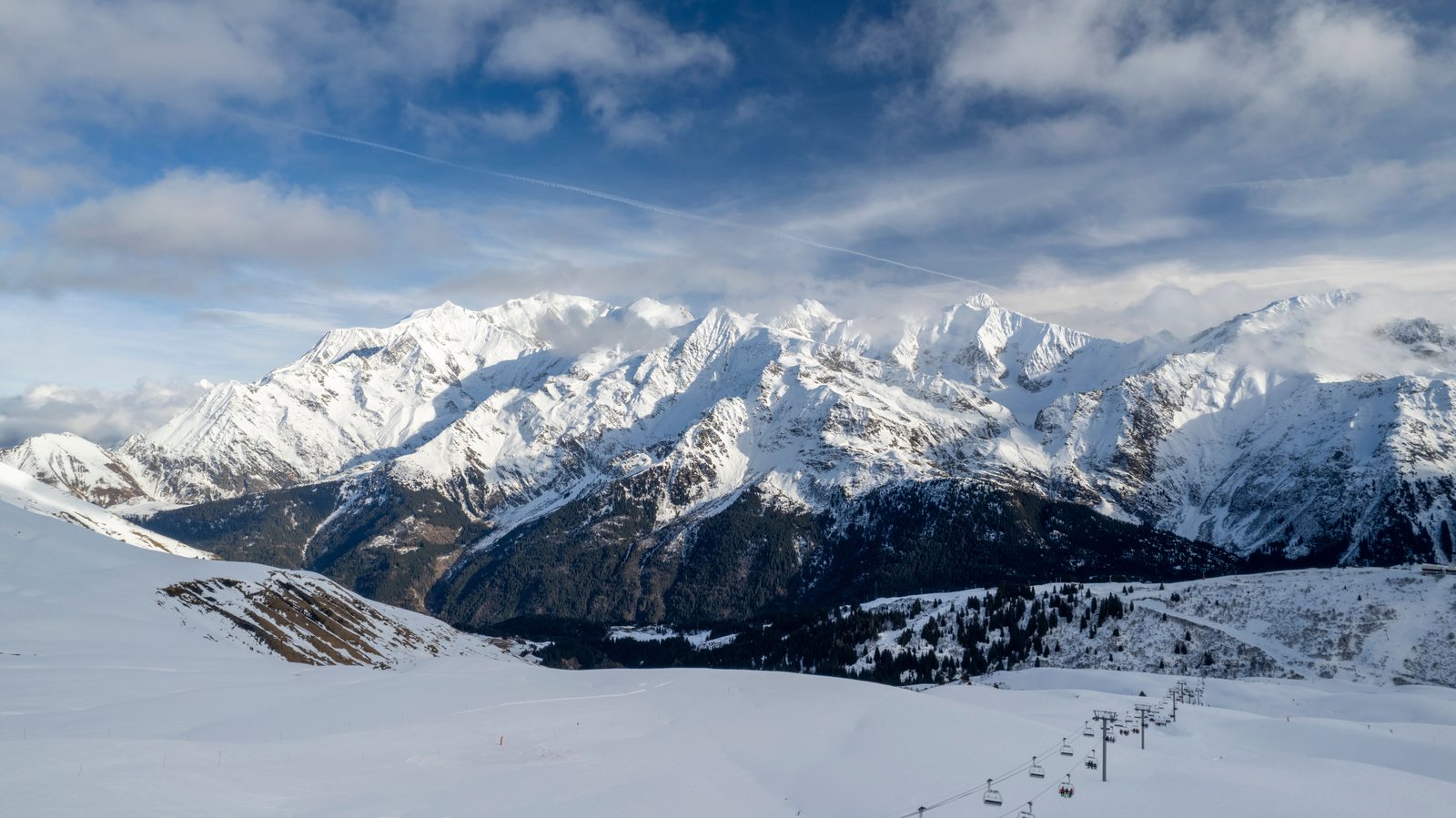
I am an avid skier and snowboarder; I have skied since I was four and snowboarded since sixteen. When I was growing up, ski trips were always a family fixture, and that is why the Alps are always my dream destination. It is another reason I learned French, Italian and German, all useful on the French, Italian and Swiss sides of the Alps. I was on the French side in the winter of 2023.
The endurance base came from national service, which is also where I discovered how much I enjoy shooting and driving; whilst there, I was consistently among the top five marksmen in my company, and I finished as an Exemplary Army Driver and the company’s best driving instructor. I don’t do much of either any more: I haven’t driven a car in a good while, though racing on a track with fast cars always appeals immensely, and I would like to practise shooting with AR rifles next time I am in the USA - I’m comin’, California!
When a problem stops moving, the fastest route through it is usually a long run rather than another hour at the desk.
Travel and networking
I love travelling, and I love the part of it that is unfamiliar: new cultures, new cuisines, new scenery and places I have no map for.
The United States I love outright. I have been many times, mostly around Los Angeles, Palo Alto, New York and Boston, and it is the can-do attitude that does it: the optimism, the willingness to back an idea before it is safe, and a work culture that treats ambition as a virtue rather than something to apologise for. Few places reward advancing fast the way America does. On the other hand, Europe is where I travel for pleasure: France above all, and the Alps most of all. Spain, the Netherlands, Germany and Switzerland are all places I have been and would go back to tomorrow. Part of the pull is the languages, and I absolutely love European languages: I practised my French deliberately for years so that I could actually freely talk to people when I got there. And of course Korea, where I lived for more than twenty years and have travelled to most corners of a genuinely beautiful country. I have lived in Japan (in 2018), in Taiwan (2017–2018), and now in the UK (2023–present).
Practically, logistics-wise, almost everywhere is open to me. I hold citizenship of the Republic of Korea, ranked joint 2nd globally for passport power on the Henley Passport Index, with visa-free access to 188 destinations. It is the only passport I hold, at least for now - this may change in the future.
Now that I have enough Italian to be useful, the next thing I want is to explore Italy properly - I’m comin’, Italy! Want to invite me somewhere interesting? Reach out!
Networking with new, brilliant, like-minded people globally is the other half of it, and mostly they found me rather than the other way around: friends from Imperial society activities, from business circles, sports, and language exchanges. My connections come from every sort of background, nationality, ethnicity and culture, which is a large part of why I love London, and it is the thing I would miss most if I left.
Conference travel is part of it, but more than the places I am building a network: researchers, postdocs, students, founders, investors and quant practitioners. If you are one of those and you are reading this, say hello.
Reading
Physics and technical work first; then quant and markets; then biographies, philosophy and self-improvement. I read widely and love non-fiction most of all. When I cannot read, I listen instead: audiobooks, or podcasts from the authors themselves.
Confucius and the Stoics above all - Zeno, Marcus Aurelius, Seneca, Epictetus - with Nietzsche as the counterweight; then Benjamin Graham, Jared Diamond and Richard Dawkins. Through 2026 I have mostly been on Jean-Paul Sartre, behavioural psychology, and books on investing. On philosophy, existentialism I love as well. Sartre, Camus and Schopenhauer I love all three of, though the label sits loosely across them: Sartre claimed it, Camus refused it and called his own position absurdism, and Schopenhauer came early enough to have fed the tradition rather than joined it.
On self-help books and podcasts: I like the works of Mark Manson, Ryan Holiday, Tim Ferriss, and Andrew Huberman.
For research I stay current through arXiv and feeds on LinkedIn, Bluesky and X. LinkedIn does the most work of the three: I am connected there with over 3,000 researchers globally, across academia and industry R&D alike - most of them are based in Europe or the USA.
I have been meaning to join a book club, so reach out if you run one.

Music and film
Classical for focus and for pleasure: Mozart, Bach, Beethoven, Chopin, Vivaldi. Everything else is wide open, from the Beatles, Led Zeppelin, Queen, Guns N’ Roses, Red Hot Chili Peppers and Eric Clapton through to Mariah Carey, Taylor Swift, Dua Lipa and Coldplay. Lately I have been listening to a lot of Vulfpeck. I play as well as listen, though rarely these days: drums and guitar, both electric and acoustic, plus a bit of piano and violin to get by. I would practise far more often given the free time. Lately it has been the ukulele, and I am working my way through the Red Hot Chili Peppers’ Californication on it.
On television, I like Suits (USA, 2011) and Black Mirror (2011).
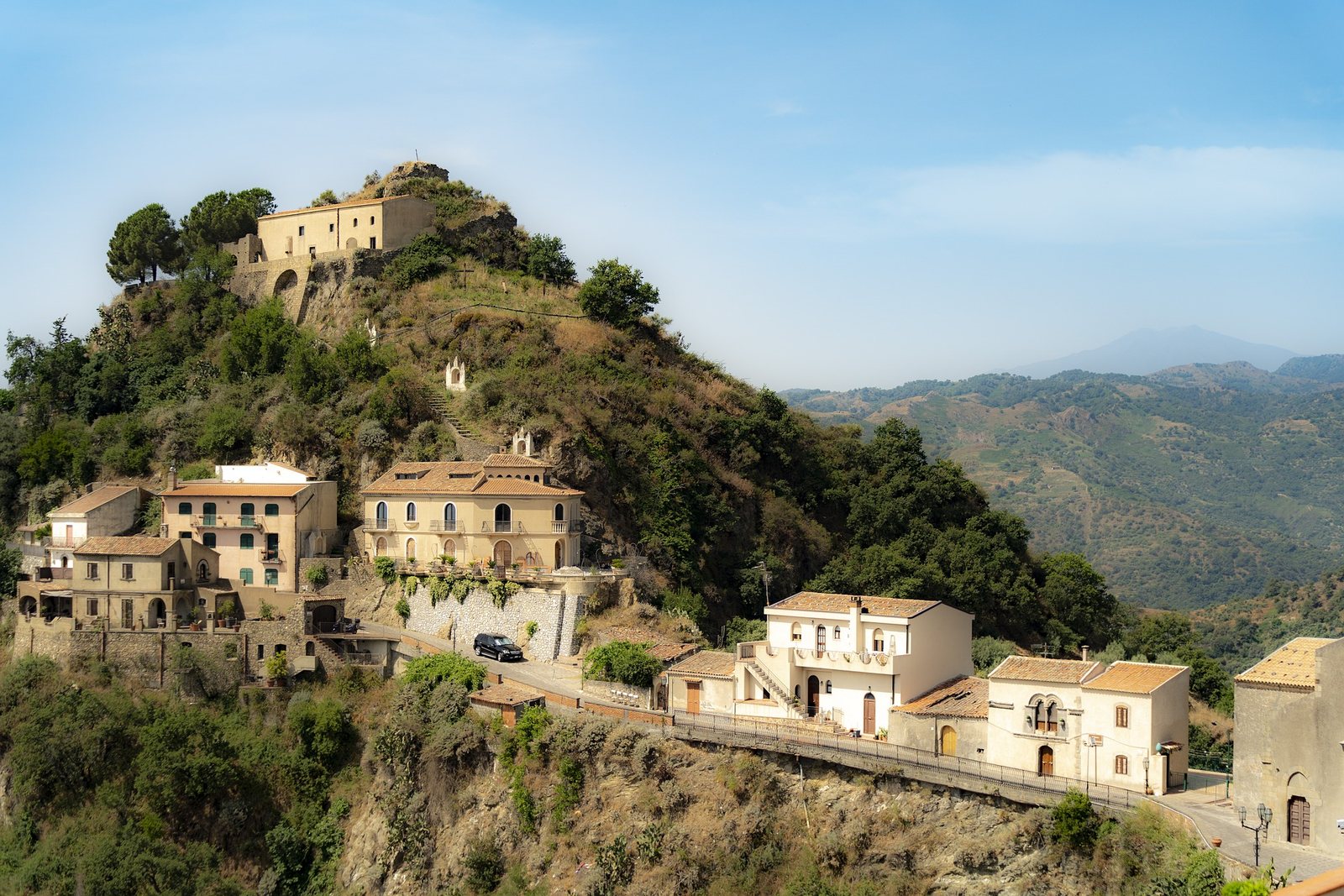
On film, I lean towards Christopher Nolan, David Fincher, Quentin Tarantino, Michael Mann and Francis Ford Coppola. Coppola’s The Godfather I and II are my favourite films of all time - true masterpieces, both of them: every single frame, the cinematography, the acting, the directing, every piece of music, and pretty much every genre held inside one story. My favourite stretches of both are the Sicilian ones, not the New York parts: the quiet before and after the storm is what the films are actually about.
With Christopher Nolan I have a particular reason for it. In 2015 I interviewed Dr Kip Thorne on Korean television at the SDF 2015; he was executive producer and scientific consultant on Interstellar (2014), and the black hole in that film was rendered from his equations. I have since worked through most of the rest: the Dark Knight trilogy, Memento, The Prestige, Inception, Tenet, Oppenheimer and, most recently, The Odyssey. Dunkirk is the one that did not land for me.
Chess and poker
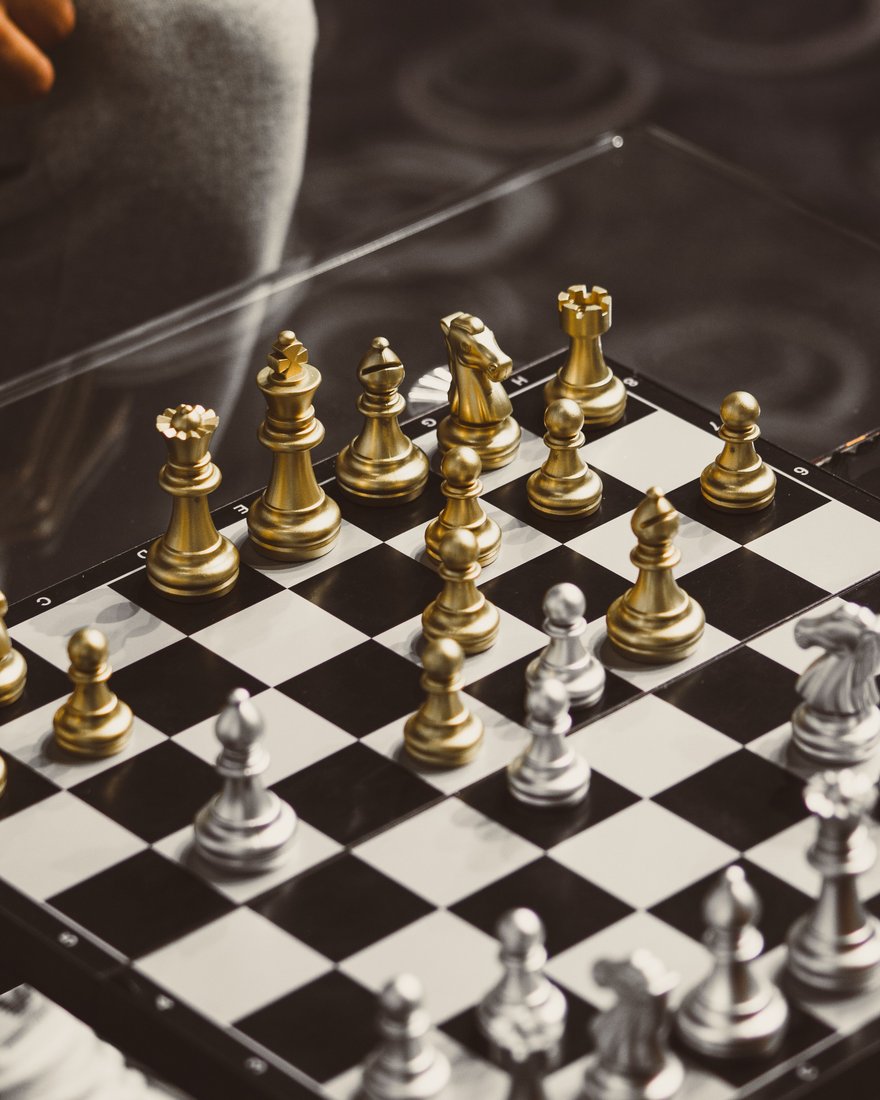
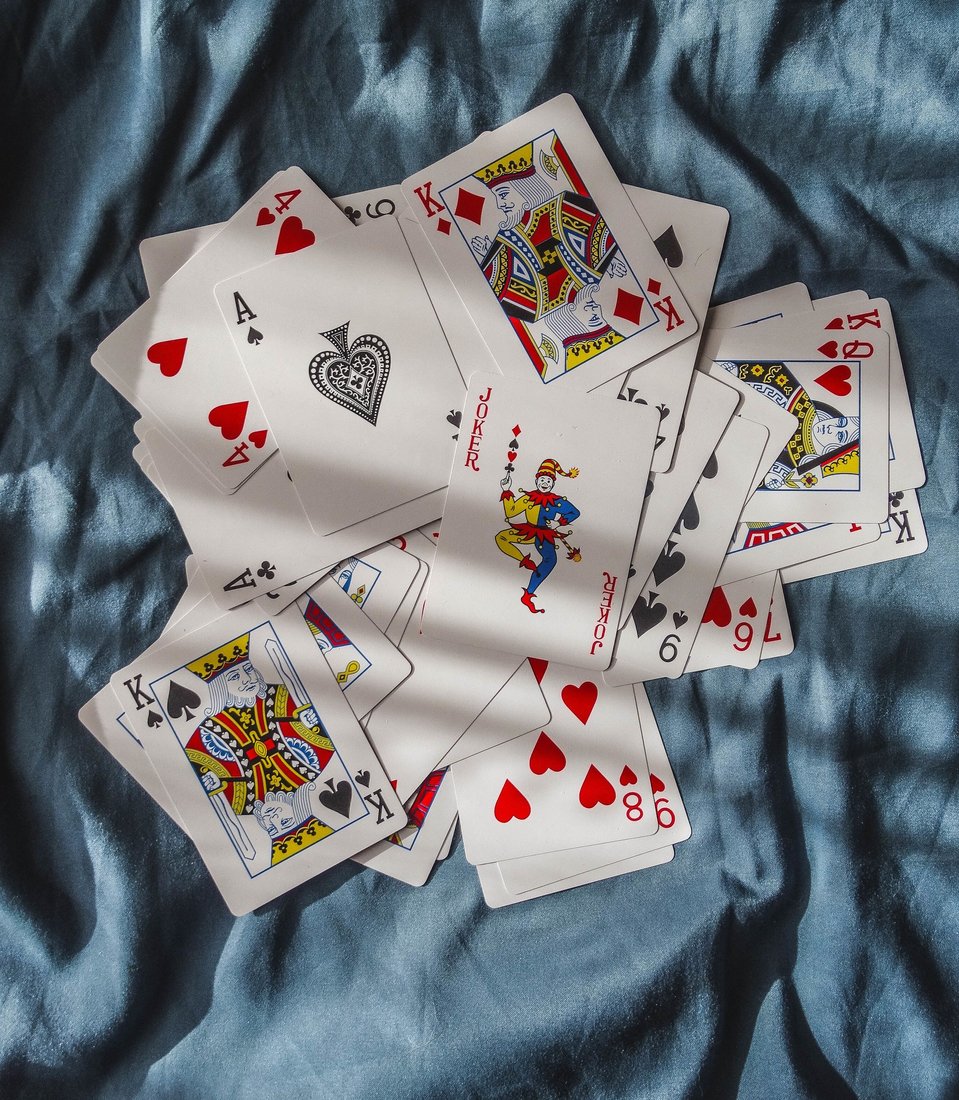
I have loved chess for as long as I can remember, and I am learning poker now. The pair of them describe a shift in how I have come to see most things. When I was growing up, I also enjoyed playing Go (or Baduk in Korean), but I preferred chess to Go always.
Chess is complete information: every piece is on the board, the position is deterministic, and a best move exists whether or not you find it. After a game you can go back and find the blunder exactly: the move number, the better line, the point at which it turned. There is always a way out, and where there was not, there is always a reason why. That is how I instinctively approach a problem.
I realised careers, research and markets are all much closer to poker: you act on partial information, the same decision can produce opposite outcomes, and you can play a hand perfectly and still lose it. The discipline that follows is to judge the decision and the outcome as two separate things, and the poker writing on this has a name for failing to: reading the quality of a choice backwards from the way it happened to turn out. A good decision that wins is a good decision; a good decision that loses is still a good decision; and a bad decision that happens to win is still a bad decision, which is the one people find hardest to hold on to, because nothing in the moment punishes them for it.
Process vs. Outcome. So what I hold myself to is the quality of the process: whether the equity was counted honestly, whether the expected value was positive at the moment I committed, whether I had genuinely tried everything I possibly can and truly left no stone unturned. Outcomes still matter, but as evidence rather than as a verdict: one hand tells you almost nothing; a thousand tell you everything. You have to stay at the table long enough for the thousand to arrive. The same holds for a person, a career or a run of results: what you want is the whole process, not one part of the story. That’s why I always trust the process, and that habit carries directly into my research: it is the claim that the outcome I want is produced by a sound procedure repeated, and that wanting it harder produces nothing on its own. The process, and the progression through it, are the parts that are genuinely mine to control (as the Stoics said), and the only parts that improve when I work at them; and it turns out to be the same discipline that governs how I read a p-value or a backtest.
Need a chess or poker buddy in London? Reach out!
Psychology, personality, neuroscience and all that jazz
I like personality theories in psychology: the frameworks people have built to describe how someone thinks, decides and works. It is a long-running side interest, and one I hold more for fun than for serious interpretation; very little of this sits in the scientific realm, and I would not defend it as though it did. I am INTJ on the Myers–Briggs and Type 3 (specifically 3w4) on the Enneagram; on the Big Five (or OCEAN) I sit very high on both Openness and Conscientiousness, moderate on both Extraversion and Agreeableness, and low on Neuroticism. Specifically, over the last decade I have consistently scored in the 99th percentile on both Openness and Conscientiousness. Of those three frameworks, only the Big Five has real psychometric standing. The others I treat as vocabulary rather than measurement: useful for describing how someone works, not for predicting what they will do.
Underneath the four-letter code sits a stack of cognitive functions, and the pattern there is unambiguous: I am strongest by a distance on the intuition and thinking functions. My top three came out almost equally high, and all three at the top of the range: introverted intuition (Ni), extraverted thinking (Te) and introverted thinking (Ti), with extraverted intuition (Ne) moderate-to-high behind them. Both extraverted sensing (Se) and introverted feeling (Fi) sit moderate, and both introverted sensing (Si) and extraverted feeling (Fe) sit moderate-to-low. Again, these are more for fun than for serious scientific interpretation.
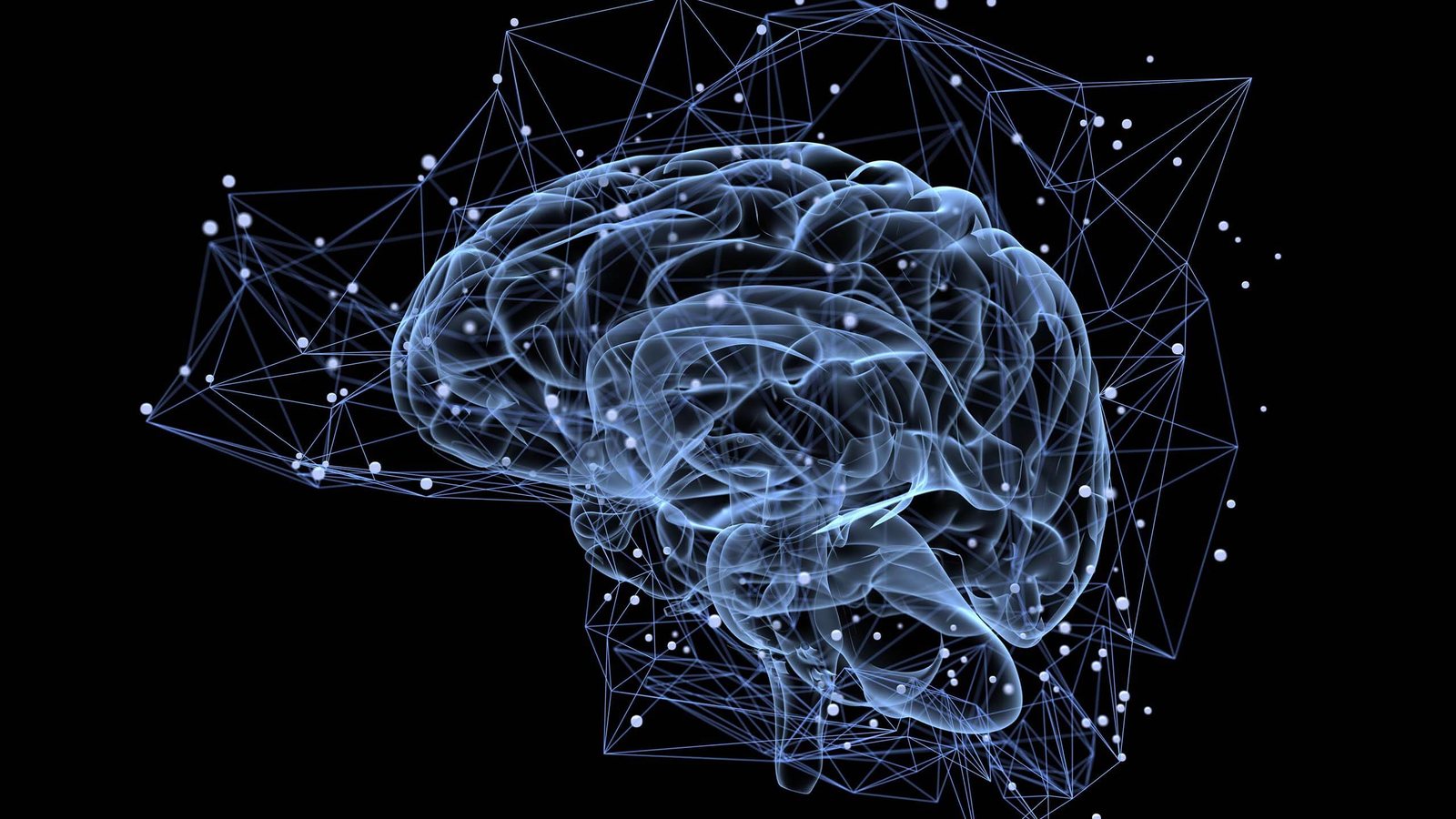
What actually interests me is the underlying layer: whether type differences correspond to anything measurable in the brain. There has been a sustained effort to put this sort of personality theory on a scientific footing by tying it to neuroscience, and this paper (by Ciorciari et al. 2019) is one example of it: an fMRI study of forty people reporting four distinct activation patterns for four Jungian-derived thinking styles, lateralised left for the pragmatic and logical styles and right for the emotional and intuitive ones. That is another reason I am very interested in Dr Dario Nardi’s work: his electroencephalography (EEG) research maps cortical activity against Jungian type, and his and Linda Berens’ interaction-style framework I find considerably sharper than the four-letter codes like INTJ. By that reading I come out as abstract, systematic, responding, process-focused, direct and pragmatic, which describes my working habits better than any label has. I find all of them useful anyway, in roughly the way a good coordinate system is useful: these do not tell you the physics, but they make the problem far easier to talk about.
On the established neuroscience: I also find it fascinating in its own right, quite apart from any of the typologies. I am blown away by Dr Ralph Adolphs’ work at Caltech on the neural basis of emotion, social cognition and brain states, much of it built on lesion patients and neurosurgical recordings rather than on questionnaires. He goes after the hardest question in the field: what is an emotion, and does it exist as a real thing at all? His answer, roughly, is that emotions are functional states of the brain, evolved to deal with particular classes of environmental challenge, rather than the feelings we report having about them. I find that increasingly persuasive, and increasingly personal: for someone who leads with cold logic and objectivity, I have come to think emotions matter a great deal more than I once allowed. On the more popular side I listen to Dr Andrew Huberman’s podcast, which covers learning, memory and productivity, and how to sharpen them, drawing on recent neuroscience. He covers many other interesting topics: the legal clinical use of psychedelics, for one, and the rise of the peptides, for two, which both have been making a considerable impact over the past few years through 2026. Not to mention the importance of neurotransmitters like dopamine, serotonin, epinephrine and norepinephrine, and quite literally how they rule the human body. My own institution is in the middle of that one: Imperial’s Centre for Interventional Psychiatry and Psychedelic Research began in 2019 as the Centre for Psychedelic Research, the first university centre of its kind anywhere, and it has kept making ground on something still treated as taboo across much of the world. I also admire the developmental neurobiology Huberman’s lab actually does: how the eye’s connections to the brain are wired in the first place, and how those axons can be coaxed into regenerating after injury and finding their correct targets again.
Beyond the frameworks, the pattern I recognise in myself is this. I value innovation and creativity, and I care little for tradition or custom. I’m future-focused, progress-driven, and have always chased a vision; I reason logically and try to judge things objectively rather than emotionally. I think in terms of forward movement, so I set milestones and benchmarks: partly to know where I am, partly so that the people I work with can see it too. My decisions are deliberate, and I want a course of action settled before I commit to it. That thinking happens alone: I reflect rather than talk things out, and I need solitude to work a problem through properly. I introspect a great deal, and much of it is spent working out which parts of myself need improving. That habit rests on something I hold to fairly firmly: stay humble and stay receptive, and the world tends to come to you. The universe does not yield to insistence, and neither do people. My attention tends to sit on my own work before it sits on the group’s. I seek excellence in everything I take on, and I see no point pretending otherwise: I want to be at the very top of whatever I do. Underneath all of that, knowledge, competence, virtuosity and mastery are the things I actually need. Utility is a requirement rather than a preference: every piece of academic work I take on has to end in something measurable, buildable or decidable, and I steer away from theory that is ineffably abstract all the way down with nothing to touch the world. That said, speaking of abstract fields, I love the mathematics for its own sake too: topology, differential geometry, stochastic calculus. In philosophy it is existentialism and Stoicism that I love.
As for religion, I am agnostic rather than religious, at least for the moment. Politically I am a centrist, and what I actually value is pragmatism: I support free markets and economic liberalism, and I take environmental protection and progressive social change to be just as necessary, and see no reason the two sets of aims cannot be pursued together.
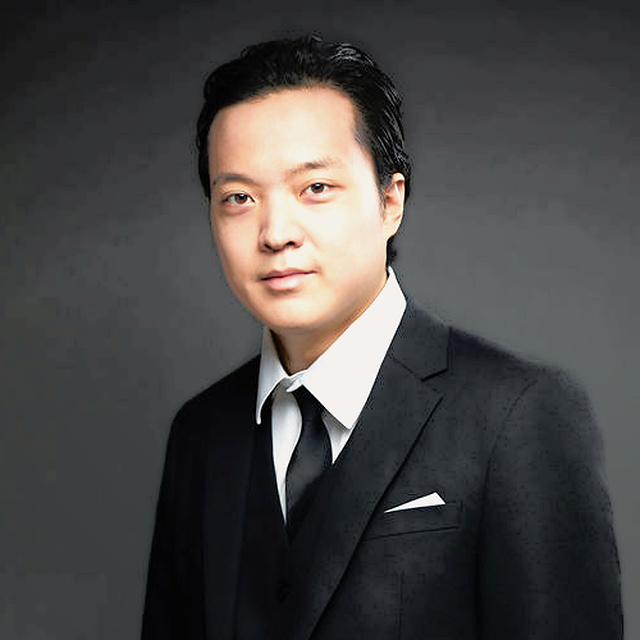
Neutrino Physics @ Imperial College London, DUNE & NOvA Collab || Machine Learning || Quantum Computing || Quant Researcher || Multidisciplinary Scientist || Physics × ML × QC × Quant || 🇬🇧 London-based (2023–Present)
Imperial College London | Imperial College London
View profile